


Holding Employers Liable for Accidents Caused by Their Employees
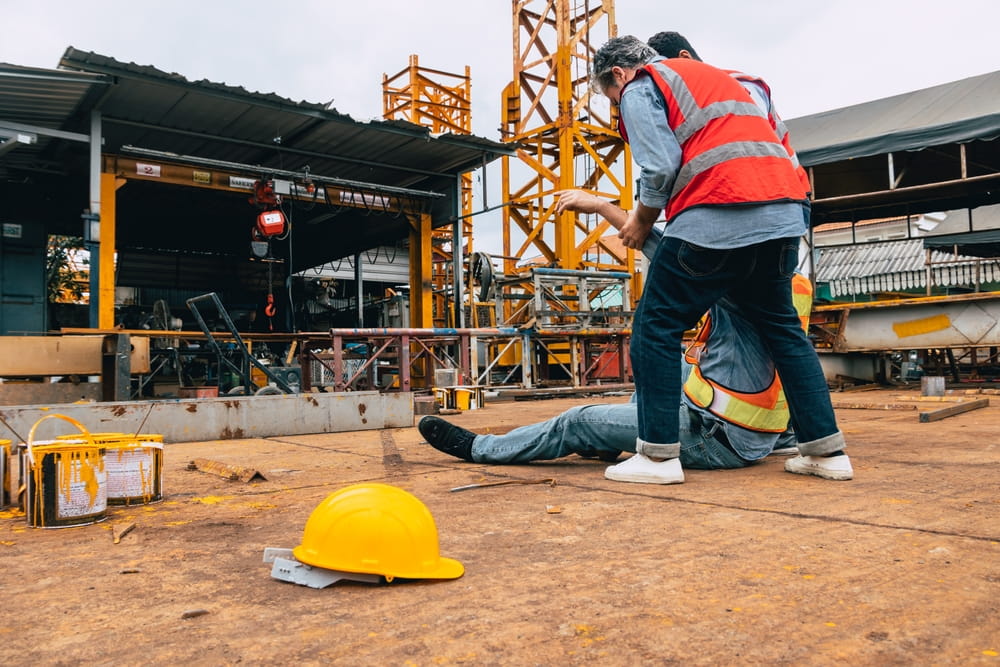 You may be able to hold an employer legally responsible for injuries caused by an employee if the accident occurred while the employee was acting within the course and scope of their employment.
When the person at fault for your injuries was on the clock, your claim often becomes more complex than a standard personal injury case. Employer-liability cases can involve additional legal standards, layered insurance policies, and aggressive defense strategies designed to shift blame and deny responsibility.
While these cases may provide access to broader insurance coverage, they are frequently met with well-resourced corporate legal teams determined to minimize or avoid liability.
A seasoned Boulder personal injury attorney at Sloat, Nicholson & Hoover, PC can evaluate whether an employer may be held accountable, identify all responsible parties, preserve critical evidence, and advocate for the full compensation you deserve.
You may be able to hold an employer legally responsible for injuries caused by an employee if the accident occurred while the employee was acting within the course and scope of their employment.
When the person at fault for your injuries was on the clock, your claim often becomes more complex than a standard personal injury case. Employer-liability cases can involve additional legal standards, layered insurance policies, and aggressive defense strategies designed to shift blame and deny responsibility.
While these cases may provide access to broader insurance coverage, they are frequently met with well-resourced corporate legal teams determined to minimize or avoid liability.
A seasoned Boulder personal injury attorney at Sloat, Nicholson & Hoover, PC can evaluate whether an employer may be held accountable, identify all responsible parties, preserve critical evidence, and advocate for the full compensation you deserve.
Key Takeaways About Holding Employers Liable for Accidents Caused by Their Employees
- Vicarious liability binds the company: Under the legal doctrine of respondeat superior, a Colorado employer may be held responsible for an employee’s negligent actions when those actions occur within the course and scope of their employment. This doctrine allows for your attorney to connect the employee’s conduct directly to the employer’s insurance coverage.
- Scope of employment is the deciding factor: Employer liability frequently turns on whether the employee was acting within the course and scope of their job duties at the time of the accident. Attorneys carefully analyze the facts to establish that the employer remains legally responsible.
- Direct negligence claims are now viable: Changes in Colorado law permit claims for negligent hiring, training, and supervision regardless of an employer’s admission of fault. These claims shift the focus to the employer’s internal practices and safety culture, exposing systemic failures that increase the risk of harm to the public.
- Independent contractor classifications can be challenged: Employers often try to avoid liability by labeling workers as independent contractors. Experienced legal counsel will scrutinize the actual working relationship to uncover misclassification and establish the employer’s true legal responsibility.
When Is an Employer Responsible for an Employee’s Negligence in Boulder, Colorado?
 The core legal concept allowing an injured person to pursue a claim against a business for an employee’s mistake is known as vicarious liability.
Under this doctrine, an employer does not need to have personally acted negligently to be held responsible. Instead, liability attaches because the employer has the right to direct and control the employee’s work.
For example, if a delivery driver runs a red light or a store clerk leaves a heavy box in a customer walkway, the personal injury claim against the employer depends on showing the worker was a legal employee and was performing job related duties at the time of the incident.
This distinction is critical because individual employees often lack the insurance coverage or personal assets to fully compensate victims for serious injuries. Establishing employer liability in cases of a company vehicle crash or a premises accident allows injured individuals to pursue compensation for damages through commercial insurance policies, which typically carry significantly higher coverage limits than personal policies.
However, companies fight this linkage aggressively. A common defense strategy is to argue that the worker was an independent contractor rather than an employee, asserting that the company lacked control over how the work was performed and therefore should not be held responsible.
Attorneys counter these arguments by closely examining payroll and employment records, including who set the worker’s schedule, who provided the tools or equipment, and the degree of control the company exercised over the work.
This evidence often reveals that, despite the label used, the worker functioned as an employee under the law.
The core legal concept allowing an injured person to pursue a claim against a business for an employee’s mistake is known as vicarious liability.
Under this doctrine, an employer does not need to have personally acted negligently to be held responsible. Instead, liability attaches because the employer has the right to direct and control the employee’s work.
For example, if a delivery driver runs a red light or a store clerk leaves a heavy box in a customer walkway, the personal injury claim against the employer depends on showing the worker was a legal employee and was performing job related duties at the time of the incident.
This distinction is critical because individual employees often lack the insurance coverage or personal assets to fully compensate victims for serious injuries. Establishing employer liability in cases of a company vehicle crash or a premises accident allows injured individuals to pursue compensation for damages through commercial insurance policies, which typically carry significantly higher coverage limits than personal policies.
However, companies fight this linkage aggressively. A common defense strategy is to argue that the worker was an independent contractor rather than an employee, asserting that the company lacked control over how the work was performed and therefore should not be held responsible.
Attorneys counter these arguments by closely examining payroll and employment records, including who set the worker’s schedule, who provided the tools or equipment, and the degree of control the company exercised over the work.
This evidence often reveals that, despite the label used, the worker functioned as an employee under the law.
The Battle Over Scope of Employment
The most common defense in these cases is the claim that the employee was not acting within the course and scope of employment at the time of the accident. This issue is often where Boulder employer liability cases become especially fact-intensive and complicated. For example, if a worker driving a company car stops at a friend’s house for two hours on the way back to the office, the employer may argue that the employee was on “a frolic” or detour — a substantial personal deviation from job duties. If an accident happens during that detour, the company might deny responsibility. Resolving these disputes requires a detailed factual investigation. Attorneys look for evidence showing that the employee’s actions were motivated, at least in part, by a purpose to serve the employer. Work schedules, assigned tasks, vehicle use policies, and the nature of the trip all play a role in this analysis. Importantly, not every deviation from work duties breaks employer liability. Minor detours and momentary distractions are often considered a foreseeable part of employment. As a result, businesses may remain liable for accidents caused by employees who are still effectively “on the clock.” This scope-of-employment analysis is particularly critical in delivery driver accidents and commercial vehicle collision cases, where drivers are commonly given discretion over their routes and daily activities.Direct Negligence: Holding Businesses Accountable for Bad Hiring
 Beyond just being responsible for an employee’s mistake, employers can be sued for their own failures. Colorado law allows direct negligence claims against employers, overturning older precedents that had limited such claims.
This means you can pursue a claim for negligent hiring, supervision, and training in Colorado.
For example, if a trucking company hired a driver with a known history of DUIs, or if a security firm failed to properly train its guards on safe physical intervention, the employer’s own failures may have contributed to the truck accident.
In these situations, an attorney can investigate the company’s practices and present evidence showing how systemic safety lapses played a role in causing harm.
Beyond just being responsible for an employee’s mistake, employers can be sued for their own failures. Colorado law allows direct negligence claims against employers, overturning older precedents that had limited such claims.
This means you can pursue a claim for negligent hiring, supervision, and training in Colorado.
For example, if a trucking company hired a driver with a known history of DUIs, or if a security firm failed to properly train its guards on safe physical intervention, the employer’s own failures may have contributed to the truck accident.
In these situations, an attorney can investigate the company’s practices and present evidence showing how systemic safety lapses played a role in causing harm.
Employer Liability Lawsuit FAQs
What happens if the employee was driving their own car?
An employer may still be held liable for an accident caused by an employee driving their personal vehicle if the trip was work-related. Attorneys investigate whether the vehicle use directly benefited the employer, or was part of the employee’s job duties to determine whether employer liability applies.Can I sue if the worker was classified as an independent contractor?
Possibly. While companies are generally not responsible for contractors, there are exceptions. If the company maintained significant control over the work or if the task involved inherent risks, liability may still apply. Lawyers examine the employment relationship to challenge misclassification and identify coverage.What does the “frolic and detour” rule mean?
This rule applies when an employee temporarily steps away from work duties for personal reasons. If the deviation was minor or foreseeable, the employer may still be liable. Legal professionals analyze timelines, GPS data, and other evidence to demonstrate that the employee was effectively on the job.Who pays for damages—the employer or their insurance?
In most cases, damages are paid through the employer’s commercial insurance policy. These policies often carry significantly higher limits than personal auto insurance, and attorneys negotiate directly with insurers to pursue fair compensation for accident-related injuries.When is the deadline to file an employer liability lawsuit in Colorado?
Generally, Colorado law allows two years from the date of injury to file a personal injury lawsuit. This deadline—known as the statute of limitations—is strictly enforced. If a claim is not filed on time, the court will almost certainly dismiss it, regardless of the severity of the injuries. Certain exceptions may apply, including cases involving minors or government entities. An attorney can review the facts of your case to determine the exact filing deadline.Can I sue both the employee and the employer after an accident?
Yes. An attorney may choose to name both the employee and the employer in the lawsuit if the employee acted within the scope of their duties when they injured someone. Suing the employee directly holds them accountable for their negligent actions, while also maintaining the claim against the employer under vicarious liability.Enforce Your Rights with Sloat, Nicholson & Hoover, PC

Legal Resources About Liability and Safety in Colorado
Understanding who is responsible for an injury often requires looking at specific safety statutes and liability rules. Our attorneys have curated the following resources to help you understand liability in various Colorado accident scenarios:- Slip and Fall on an Icy Sidewalk on Pearl Street: Who is Liable?
- The Colorado Ski Safety Act: What Every Skier Must Know
- Out of Control Skier Accidents and the Uphill Skier Rule in Colorado
- When Can You Hold a Colorado Ski Resort Legally Responsible?
