Eldora Ski Collisions: Does the Colorado Ski Safety Act Protect You?
Eldora Ski Collisions: Does the Colorado Ski Safety Act Protect You?
Eldora Mountain Resort draws thousands of Front Range skiers every winter. The proximity to Boulder and Denver means crowded slopes, mixed skill levels, and the occasional collision. If another skier struck you at Eldora, you may be wondering whether Colorado law offers any protection or if waivers and “inherent risk” language block your claim entirely.
The answer depends on who caused the collision and how the accident happened. The Colorado Ski Safety Act does limit certain claims, but it does not shield reckless skiers from accountability. An Eldora ski accident lawyer who is familiar with these distinctions may help clarify your options.
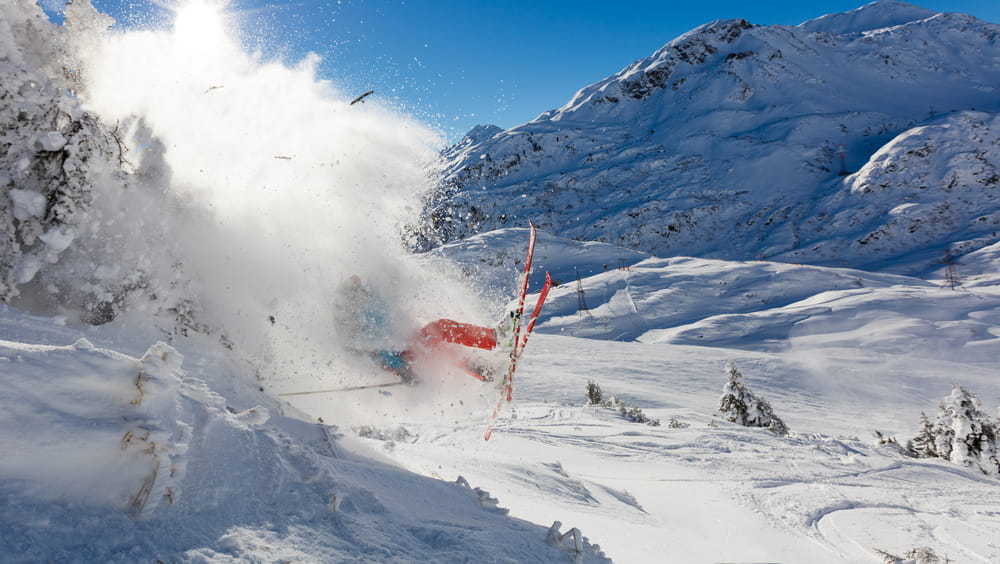
Many people assume the Colorado Ski Safety Act blocks all ski injury claims. That misunderstanding leads injured skiers to give up before exploring their options. The statute serves a specific purpose and contains important exceptions.
The Purpose Behind the Law
The Colorado legislature passed the Ski Safety Act to define responsibilities for both resorts and skiers. It recognizes that certain dangers are inherent to the sport. Ice, variable terrain, changing weather, and fixed objects like lift towers fall into this category.
Resorts generally cannot be held liable for injuries that result from these inherent risks. The law encourages ski area operators to maintain safe conditions while acknowledging that skiing carries unavoidable hazards.
What Counts as an Inherent Risk
The statute lists specific dangers that skiers accept when they hit the slopes. These include variations in terrain and snow conditions, collisions with lift towers or signs, and weather-related visibility changes. Accepting these risks is part of participating in the sport.
However, the law draws a clear line. C.R.S. § 33-44-109(1) states that skier-on-skier collision risk is neither an inherent risk nor a risk assumed by the injured skier. This distinction matters enormously for collision victims.
Skier-on-Skier Collisions at Eldora
Most ski injury claims do not target the resort. They target the person who caused the accident. Colorado law permits these claims and establishes clear rules about responsibility.
The Uphill Skier’s Duty
Colorado places the primary duty on the uphill skier to avoid collisions with anyone below them. The downhill skier has the right of way. This rule exists because the uphill skier has a better view of what lies ahead and a greater ability to adjust course.
If someone barreled into you from behind while you were making a turn, that person likely violated their duty under the statute. Their homeowner’s insurance policy often covers such incidents.
Reckless Behavior Versus Ordinary Risk
Not every collision creates liability. The question is whether the other skier acted negligently or recklessly. Factors that may indicate negligence include excessive speed for conditions, skiing under the influence, ignoring closed trail signs, and failing to yield the right of way.
The following behaviors may strengthen a collision claim:
The other skier was traveling at excessive speed for the trail conditions
Alcohol or drug impairment affected the skier’s judgment or control
The collision occurred because the uphill skier failed to look before crossing your path
Witnesses observed erratic or out-of-control skiing before impact
The other skier left the scene without providing contact information
These factors help distinguish between an unfortunate accident and actionable negligence. Documenting as much information as possible after a collision supports your ability to pursue compensation.
When Resorts May Still Face Claims
The Ski Safety Act protects resorts broadly, but not absolutely. Certain situations fall outside its protections.
Lift Malfunctions and Equipment Failures
The statute explicitly excludes ski lift operations from the definition of inherent risks. (See C.R.S. § 33-44-103(3.5).) If a chairlift malfunction, detachment, or operator error caused your injury, the resort may bear responsibility.
Negligence Beyond Inherent Risks
Resort liability may exist when operational failures go beyond normal skiing hazards. Poor signage, failure to mark unexpected obstacles, or keeping dangerous terrain open during unsafe conditions might expose operators to claims. These situations require careful investigation to determine whether the resort breached its duties.
How Liability Waivers Affect Your Claim
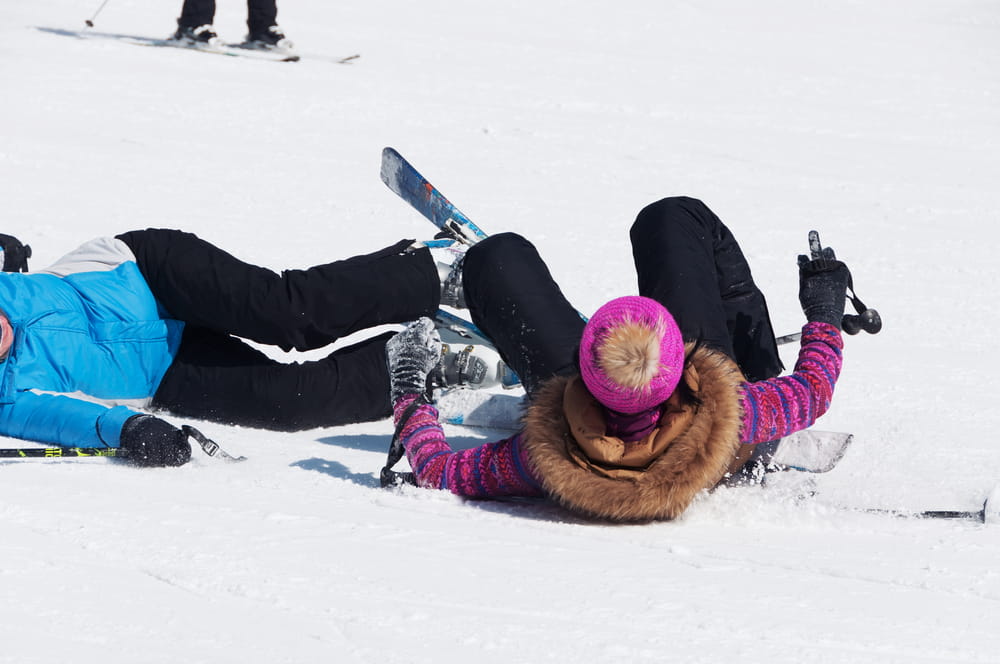
The waiver printed on your lift ticket releases the resort from claims related to inherent skiing dangers. Colorado courts have upheld these waivers consistently. However, their scope has limits.
Waivers protect the resort, not other guests. If another skier injured you through negligence, the waiver you signed does not prevent you from filing a claim against that individual. The waiver also may not protect resorts from claims arising out of gross negligence or conduct that falls outside inherent risks.
Steps That Strengthen Your Claim
Taking certain actions after a collision may improve your ability to pursue compensation later. Injured skiers benefit from gathering the following information:
The other skier’s name, contact information, and insurance details
Names and contact information for any witnesses
Copies of ski patrol incident reports
Photographs of the collision location, your injuries, and trail conditions
Medical records documenting your injuries and treatment
This documentation helps establish what happened, who was responsible, and what damages you suffered. Ski patrol reports in particular may contain valuable details about the circumstances and the other party’s statements.
FAQ for Eldora Ski Collision Claims
What if the skier who hit me was a child or teenager?
Parents may bear responsibility for their minor child’s negligent conduct on the slopes. The family’s homeowner’s insurance policy often provides coverage for such incidents. Age does not automatically excuse reckless behavior that injures another person.
How do I find out if the other skier has insurance?
Homeowner’s and renter’s insurance policies typically include personal liability coverage. If you obtained the other skier’s contact information, an attorney may help identify applicable insurance. Ski patrol reports sometimes include this information as well.
What happens if I was partially at fault for the collision?
Colorado follows a modified comparative fault rule under C.R.S. § 13-21-111. If your fault equals or exceeds 50%, you cannot recover damages. If your fault is less than 50%, your recovery is reduced proportionally.
Are terrain park collisions treated differently?
Terrain parks involve freestyle features that generally fall within the inherent dangers and risks of skiing, and resorts typically post specific warnings about those features. However, the uphill skier’s duty still applies. A collision caused by another person’s reckless behavior in a terrain park may still support a claim.
When Clarity Matters Most
Sorting through waiver language, statutory protections, and liability questions after a ski injury is overwhelming. The Colorado Ski Safety Act adds complexity, but it does not eliminate every path to recovery. Skier-on-skier collisions often involve different rules than claims against resorts.
At Sloat, Nicholson & Hoover, P.C., we offer free consultations to injured skiers and their families. Contact us to discuss what happened and learn whether pursuing a claim makes sense in your situation. We work on a contingency fee basis, so you pay nothing unless we recover compensation for you.
The Help You Need
Request your FREE consultation and get the help you need to move forward.



 Many people assume the Colorado Ski Safety Act blocks all ski injury claims. That misunderstanding leads injured skiers to give up before exploring their options. The statute serves a specific purpose and contains important exceptions.
 The waiver printed on your lift ticket releases the resort from claims related to inherent skiing dangers. Colorado courts have upheld these waivers consistently. However, their scope has limits.
Waivers protect the resort, not other guests. If another skier injured you through negligence, the waiver you signed does not prevent you from filing a claim against that individual. The waiver also may not protect resorts from claims arising out of gross negligence or conduct that falls outside inherent risks.
The waiver printed on your lift ticket releases the resort from claims related to inherent skiing dangers. Colorado courts have upheld these waivers consistently. However, their scope has limits.
Waivers protect the resort, not other guests. If another skier injured you through negligence, the waiver you signed does not prevent you from filing a claim against that individual. The waiver also may not protect resorts from claims arising out of gross negligence or conduct that falls outside inherent risks.
