More Than the Slopes: Liability for Accidents in Boulder Canyon on the Way to Eldora
More Than the Slopes: Liability for Accidents in Boulder Canyon on the Way to Eldora
A ski day at Eldora involves more than time on the mountain. For Boulder residents, the drive up CO-119 through Boulder Canyon is part of the experience. This winding route presents serious winter hazards, including shaded curves that hold ice, narrow lanes with minimal shoulders, and heavy weekend traffic. A Boulder Canyon accident on the way to or from Eldora raises complex questions about fault and responsibility.
Winter conditions complicate liability analysis, but they do not automatically excuse negligent driving. Colorado law evaluates each crash based on specific circumstances, including speed, following distance, and how drivers responded to known hazards.
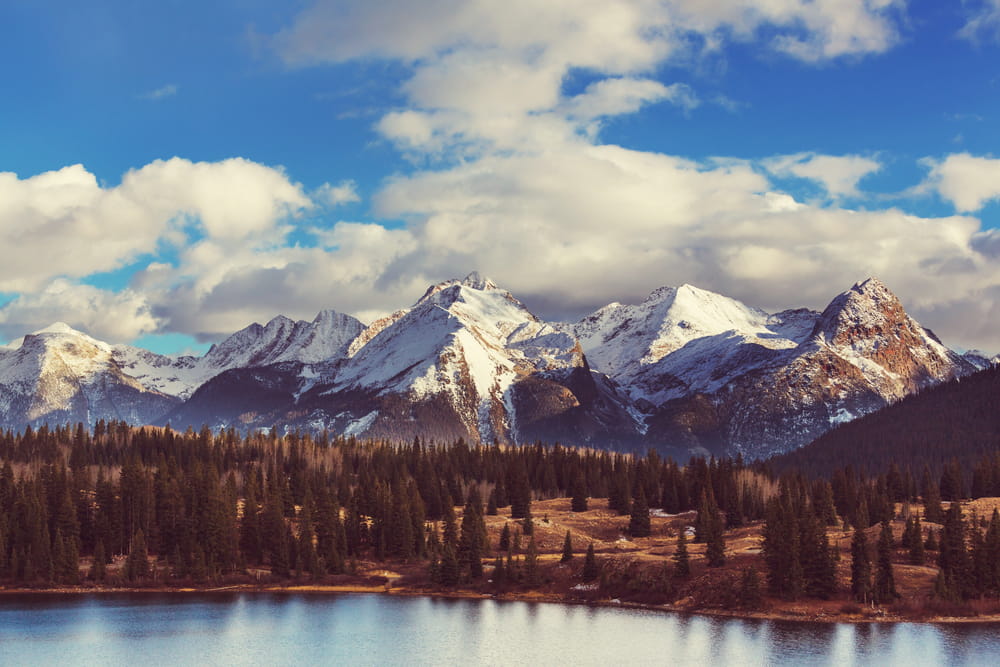
CO-119 through Boulder Canyon differs from typical Front Range roadways. The route climbs through steep terrain with rock walls on both sides. Several characteristics make winter travel particularly hazardous.
Shaded Curves and Persistent Ice
Canyon walls block sunlight for much of the day during the winter months. This creates shaded sections where ice persists long after city roads have cleared. Black ice, invisible against dark pavement, catches drivers off guard on curves they have navigated safely in warmer weather.
Narrow Lanes and Limited Escape Routes
Much of Boulder Canyon offers little room for error. Lanes are narrow, shoulders are minimal or nonexistent, and guardrails line drop-offs toward the creek below. A vehicle that loses traction has few options for safe recovery.
Weekend Ski Traffic Congestion
Powder days and holiday weekends bring heavy traffic to CO-119. Vehicles traveling at different speeds create stop-and-go conditions. Early morning drives and evening returns concentrate cars during low-visibility hours.
Common Crash Scenarios on CO-119
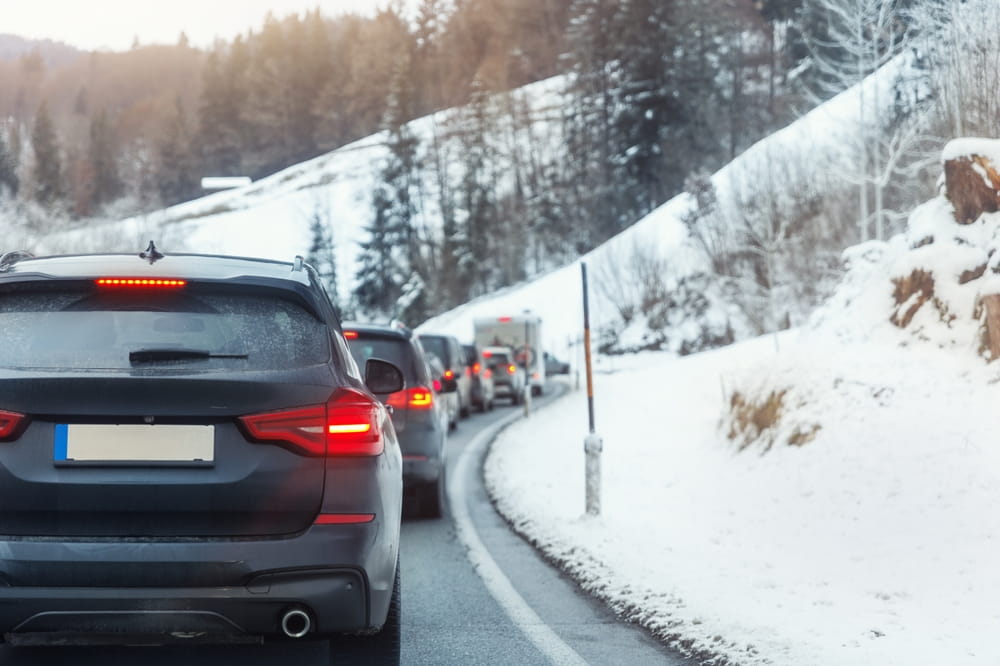
Boulder Canyon accidents take several forms. Understanding these patterns helps clarify how fault is typically evaluated.
Single-Vehicle Slide-Offs and Spin-Outs
A driver loses control on ice and strikes a guardrail, rock wall, or ends up in Boulder Creek. These crashes often involve questions about speed, tire condition, and whether the driver adjusted for visible hazards.
Rear-End Collisions in Ski Traffic
Stop-and-go conditions lead to rear-end crashes when following vehicles fail to maintain safe distances. The driver who strikes another vehicle from behind typically bears responsibility, though circumstances may shift some fault to the lead vehicle.
Head-On and Sideswipe Collisions
Narrow lanes and limited visibility around curves contribute to head-on crashes. Vehicles crossing the centerline, whether from loss of control or improper passing, create serious collision risks on this two-lane highway.
How Colorado Law Evaluates Fault in Winter Accidents
Many drivers assume icy roads excuse responsibility for crashes. Colorado law takes a more nuanced approach. Weather conditions matter, but they do not automatically eliminate fault.
The Reasonable Speed Standard
Colorado requires drivers to travel at speeds reasonable for existing conditions. Posted speed limits set maximum allowable speeds under ideal circumstances. When ice, snow, or reduced visibility exist, safe speeds may be significantly lower.
A driver traveling at the posted limit on an icy road may still be found negligent if that speed was unreasonable given conditions they knew or had reason to anticipate.
Evidence That Affects Fault Determination
The following factors commonly influence liability analysis in winter crashes:
Whether the driver adjusted speed for visible ice, snow, or wet conditions
The condition of the vehicle’s tires and whether they were appropriate for winter driving
Following distance maintained behind other vehicles
Whether the driver had recent experience with the roadway and its known hazards
Weather reports and road condition advisories that were available before the trip
These considerations help establish whether a driver acted reasonably or negligently under the circumstances.
Why Ski-Day Traffic Creates Additional Hazards
The context of traveling to Eldora shapes accident risk in ways that distinguish Boulder Canyon from other mountain routes.
Early Morning and Evening Drives
Skiers often leave Boulder before dawn to reach the mountain early. Evening returns happen after runs close, when fatigue sets in and temperatures drop. Both timing patterns coincide with reduced visibility and refreezing conditions.
Mixed Traffic and Varying Skill Levels
Weekend canyon traffic includes experienced locals, visitors unfamiliar with the road, and commercial vehicles serving Nederland and mountain communities. This mix creates unpredictable driving patterns and varied responses to winter conditions.
The Mindset of Getting to the Mountain
Anticipation of a ski day may affect driver attention and patience. Frustration with slow traffic or eagerness to arrive on time contributes to risky passing decisions and reduced following distances.
Passengers Injured in Boulder Canyon Crashes
Passengers face a different situation than drivers after a canyon accident. A passenger may pursue compensation from the at-fault driver, whether that person was operating their own vehicle or someone else’s.
Carpooling to Eldora is common among Boulder skiers. When a crash injures passengers, sorting out insurance coverage and liability requires careful analysis of each driver’s responsibilities and applicable policies. Passengers should understand their rights when filing a personal injury claim as a passenger.
Documentation That Strengthens Your Claim
Gathering evidence promptly after a Boulder Canyon accident supports your ability to pursue compensation later.
The following documentation may prove valuable:
Photographs of road conditions, vehicle damage, and the accident scene
Contact information for other drivers and witnesses
A copy of the police accident report
Weather and road condition reports from the day of the crash
Medical records documenting your injuries and treatment
This evidence helps establish the facts and clarify responsibility. Acting quickly preserves details that fade from memory over time.
FAQ for Boulder Canyon Accident Claims
Does black ice automatically excuse the at-fault driver?
No. Colorado courts have held that drivers are expected to use reasonable care based on the conditions they encounter or should have anticipated. Black ice does not automatically excuse negligence if the driver knew or should have known about the risk.
What if road maintenance was inadequate?
Claims against government entities for inadequate road maintenance face strict procedural requirements under the Colorado Governmental Immunity Act. These claims involve short notice deadlines, generally 180 days, and limited circumstances where liability applies.
Are tire condition and vehicle preparation relevant to fault?
Driving on bald or inappropriate tires in winter conditions may be considered as a factor in fault allocation, but it does not automatically assign fault to the driver with inadequate tires. Courts evaluate the totality of circumstances when determining responsibility.
What happens if both drivers share fault for the crash?
Colorado’s modified comparative fault rule reduces recovery based on each party’s percentage of responsibility. If your fault equals or exceeds 50%, you cannot recover damages from other parties.
Does it matter that I was driving to a ski resort?
The destination itself does not change the legal analysis. However, the context of ski-day traffic patterns, timing, and driver behavior may be relevant to understanding how the accident occurred.
When the Drive Becomes Part of the Injury
A Boulder Canyon accident on the way to Eldora creates challenges beyond a typical car crash claim. Winter conditions, canyon hazards, and ski traffic patterns all factor into how liability is evaluated.
At Sloat, Nicholson & Hoover, P.C., we represent injured drivers and passengers throughout Boulder County. Contact us today to discuss your situation. We offer free consultations and work on a contingency fee basis, so you pay nothing unless we recover compensation for you.
The Help You Need
Request your FREE consultation and get the help you need to move forward.



 A ski day at Eldora involves more than time on the mountain. For Boulder residents, the drive up CO-119 through Boulder Canyon is part of the experience. This winding route presents serious winter hazards, including shaded curves that hold ice, narrow lanes with minimal shoulders, and heavy weekend traffic. A Boulder Canyon accident on the way to or from Eldora raises complex questions about fault and responsibility.
Winter conditions complicate liability analysis, but they do not automatically excuse negligent driving. Colorado law evaluates each crash based on specific circumstances, including speed, following distance, and how drivers responded to known hazards.
A ski day at Eldora involves more than time on the mountain. For Boulder residents, the drive up CO-119 through Boulder Canyon is part of the experience. This winding route presents serious winter hazards, including shaded curves that hold ice, narrow lanes with minimal shoulders, and heavy weekend traffic. A Boulder Canyon accident on the way to or from Eldora raises complex questions about fault and responsibility.
Winter conditions complicate liability analysis, but they do not automatically excuse negligent driving. Colorado law evaluates each crash based on specific circumstances, including speed, following distance, and how drivers responded to known hazards.
 CO-119 through Boulder Canyon differs from typical Front Range roadways. The route climbs through steep terrain with rock walls on both sides. Several characteristics make winter travel particularly hazardous.
 Boulder Canyon accidents take several forms. Understanding these patterns helps clarify how fault is typically evaluated.
 The context of traveling to Eldora shapes accident risk in ways that distinguish Boulder Canyon from other mountain routes.
